Introduction
Options trading is one of the most powerful ways to participate in the stock market. It allows traders to hedge risk, generate income, and leverage positions with relatively small capital. However, without proper knowledge, it can also lead to significant losses.How to Start Options Trading: A Complete Beginner to Advanced
In this guide, you will learn everything about options trading—from basic concepts to advanced strategies—in a simple and structured way.How to Start Options Trading: A Complete Beginner to Advanced
How to Start Options Trading: A Complete Beginner to Advanced | tradecol
What is Options Trading?
Options trading involves buying and selling financial contracts (called options) that give you the right—but not the obligation—to buy or sell an asset at a predetermined price.
There are two types of options:
Key Terms You Must Know
Before starting, understand these important terms:
- Strike Price: Price at which you can buy/sell the asset
- Premium: Cost of buying an option
- Expiry Date: Date when the option contract expires
- Lot Size: Minimum quantity you can trade
- Intrinsic Value: Actual value of the option
- Time Value: Extra value based on time remaining
Types of Options
1. Call Option (CE)
You buy a call option when you expect the market to go up.
2. Put Option (PE)
You buy a put option when you expect the market to go down.
Basic Strategies for Beginners
1. Buying Call Option
- Market View: Bullish
- Risk: Limited (premium paid)
- Reward: Unlimited
2. Buying Put Option
- Market View: Bearish
- Risk: Limited
- Reward: High
3. Covered Call
- Sell call option while holding stock
- Used for earning regular income
Understanding Option Greeks
Option Greeks help measure risk and price movement:
- Delta: Price movement with respect to underlying
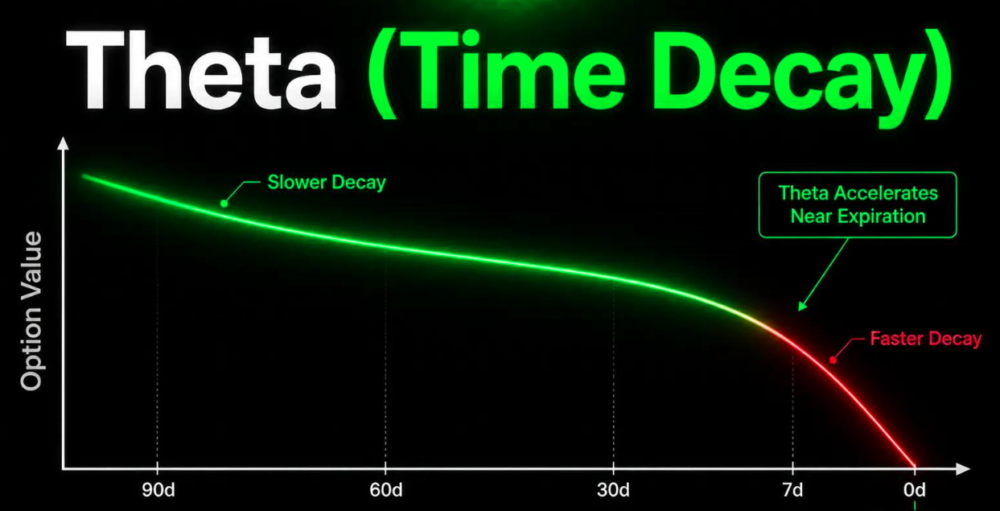
- Theta: Time decay (very important)
- Gamma: Rate of change of delta
- Vega: Impact of volatility
👉 Example: If Theta is high, your option value will decrease faster with time.
Intermediate Strategies
1. Bull Call Spread
- Buy one call, sell another higher strike call
- Lower risk, limited profit
2. Bear Put Spread
- Buy put and sell lower strike put
- Works in falling market
3. Straddle
- Buy both CE and PE
- Used when expecting big movement
Advanced Strategies
1. Iron Condor
- Best for sideways markets
- Low risk, consistent returns
2. Butterfly Strategy
- Limited risk and reward
- Works in low volatility
3. Calendar Spread
- Uses time decay to your advantage
Risk Management Tips (Very Important)
- Never invest more than 5–10% of capital in one trade
- Always use stop-loss
- Avoid overtrading
- Understand market trend before entering
- Do not trade based on emotions
Common Mistakes to Avoid
- Ignoring time decay (Theta)
- Buying out-of-the-money options blindly
- Trading without strategy
- Not checking volatility (VIX)
- Holding till expiry without plan
Tools You Should Use
- Option Chain Analysis
- Open Interest (OI) Data
- TradingView for charts
- Broker platforms like Zerodha, Upstox
Step-by-Step: How to Start Options Trading
- Open a trading account
- Learn basics of options
- Practice with paper trading
- Start with small capital
- Use simple strategies first
- Track and analyze your trades
- Gradually move to advanced strategies
Conclusion
Options trading can be highly profitable if done with the right knowledge and discipline. Start with basics, practice consistently, and slowly move towards advanced strategies. Focus on risk management more than profit, and success will follow.
FAQs
Is options trading safe for beginners?
Yes, if you start with small capital and proper learning.
How much money is required?
You can start with ₹5,000–₹10,000, but proper risk management is key.
Which is better: CE or PE?
It depends on market direction—CE for bullish, PE for bearish.
Final Tip:
In options trading, capital protection is more important than profit. Learn first, then earn.