Introduction
Elliott Wave Theory is one of the most powerful tools in technical analysis used by traders to predict market movements. Developed by Ralph Nelson Elliott, this theory is based on the idea that financial markets move in repetitive patterns driven by investor psychology.Elliott Wave Theory Explained
If you want to improve your trading accuracy in markets like Nifty, Bank Nifty, or stocks, understanding Elliott Wave Theory can give you a strong edge.Elliott Wave Theory Explained
Elliott Wave Theory Explained
What is Elliott Wave Theory?
Elliott Wave Theory states that market prices move in a series of waves:
- Impulse Waves (Trend Direction)
- Corrective Waves (Against Trend)
- Elliott Wave Theory Explained
These waves repeat in a predictable structure, allowing traders to forecast future price movements.
Basic Structure of Elliott Waves
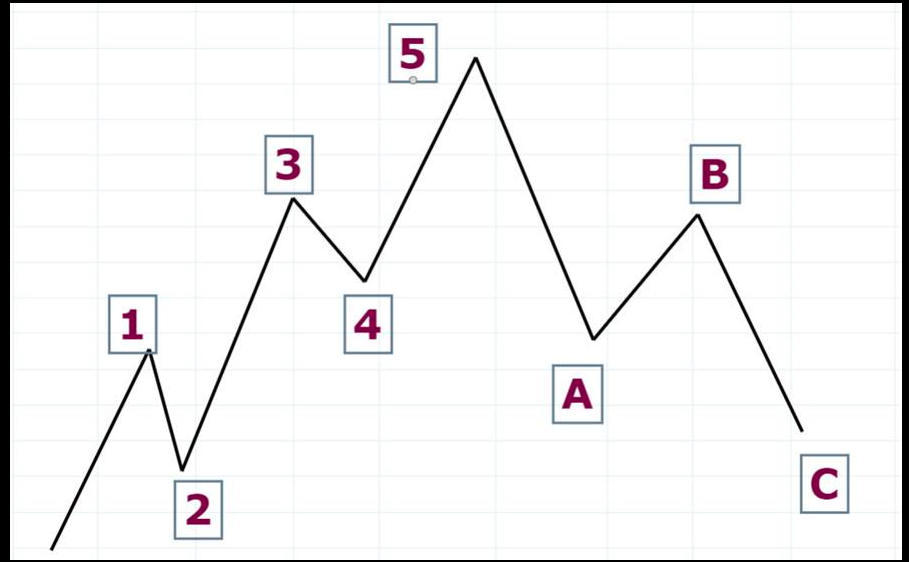
The market moves in a 5-3 wave pattern:
🔹 Impulse Waves (1–5)
- Wave 1: Initial move
- Wave 2: Correction
- Wave 3: Strongest move (most powerful)
- Wave 4: Consolidation
- Wave 5: Final push
🔹 Corrective Waves (A–B–C)
- Wave A: First correction
- Wave B: Temporary reversal
- Wave C: Final correction
Elliott Wave Diagram (Understanding Structure)
👉 This pattern repeats across all timeframes (intraday to long-term).
Key Rules of Elliott Wave Theory
To apply this theory correctly, follow these important rules:
- Wave 2 never retraces 100% of Wave 1
- Wave 3 is never the shortest wave
- Wave 4 does not overlap Wave 1
Important Concepts in Elliott Wave
1. Fractal Nature
Markets move in smaller waves inside bigger waves.
2. Market Psychology
- Wave 1: Early buyers
- Wave 3: Strong momentum (FOMO)
- Wave 5: Retail participation
3. Fibonacci Relationship
Elliott Waves often follow Fibonacci levels:
- 38.2%, 50%, 61.8% retracement
- 1.618 extension (Wave 3 target)
How to Trade Using Elliott Wave
Step-by-Step Approach
- Identify the trend
- Mark Wave 1 to Wave 5
- Wait for Wave 2 or Wave 4 retracement
- Enter in Wave 3 (best opportunity)
- Use stop-loss below previous wave
Best Elliott Wave Strategies
1. Wave 3 Strategy (Most Profitable)
- Entry: After Wave 2 ends
- Target: Fibonacci extension
- Risk: Low, reward: high
2. Wave 5 Reversal Strategy
- Look for exhaustion signals
- Use RSI divergence
3. ABC Correction Trade
- Trade Wave C for quick moves
Elliott Wave in Nifty Trading
- Use it with Option Chain + OI data
- Combine with support & resistance
- Works well in trending markets
Common Mistakes to Avoid
- Forcing wave counts
- Ignoring trend direction
- Trading without confirmation
- Overcomplicating the structure
Tools to Use
- TradingView (for charting)
- Fibonacci retracement tool
- RSI / MACD indicators
- Option Chain data
Advantages of Elliott Wave Theory
- Helps identify market trends
- Predicts price targets
- Works in all markets (stocks, forex, crypto)
Limitations
- Subjective (different traders count differently)
- Requires practice
- Not 100% accurate
Conclusion
Elliott Wave Theory is a powerful method to understand market cycles and trader psychology. When combined with proper risk management and other indicators, it can significantly improve your trading performance.
Start by identifying simple wave patterns, practice on charts, and gradually move to advanced strategies.
FAQs
Is Elliott Wave good for beginners?
Yes, but it requires practice and patience.
Which wave is best to trade?
Wave 3 is considered the most profitable and reliable.
Can I use Elliott Wave in options trading?
Yes, it is widely used for Nifty and Bank Nifty options trading. tradecol
Final Tip:
Do not rely only on Elliott Wave—combine it with volume, indicators, and risk management for best results.