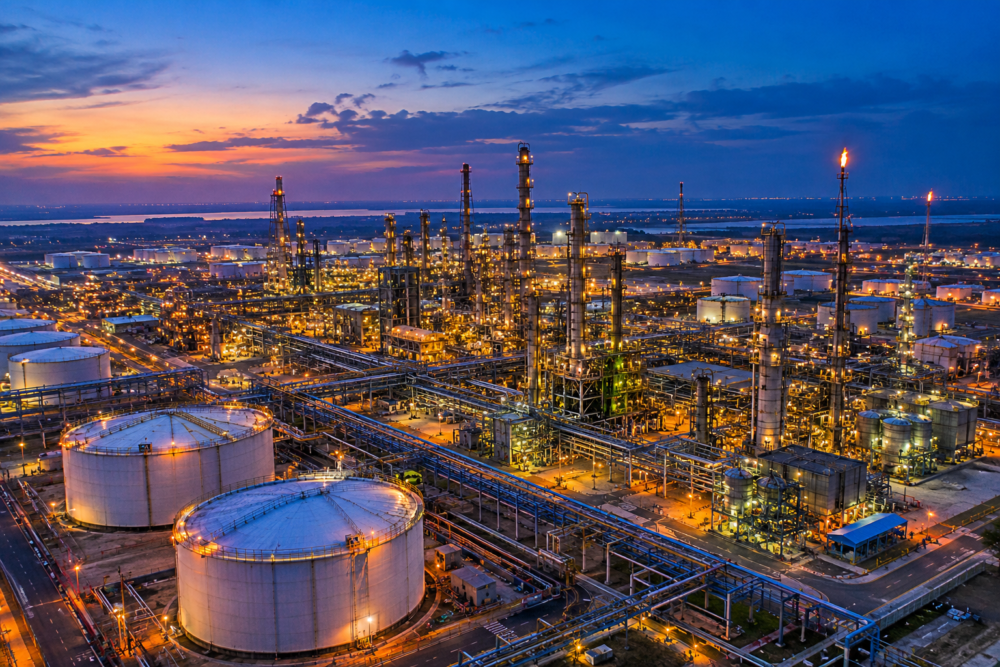
The Jamnagar Oil Refinery in Gujarat, India, is more than an industrial facility — it is a symbol of engineering excellence, technological innovation, and India’s growing influence in the global energy industry. Operated by Reliance Industries Limited, the Jamnagar refinery complex is widely recognised as the world’s largest single-site refining complex.Jamnagar Oil Refinery: What Makes It One of the World’s Most Remarkable Refineries?tradecol
From its enormous processing capacity to its advanced refining technology, Jamnagar has earned a remarkable place in the international petroleum industry. But what exactly makes this refinery so special? Let’s explore the facts, technology, and industrial capabilities that distinguish it from other refineries around the world.
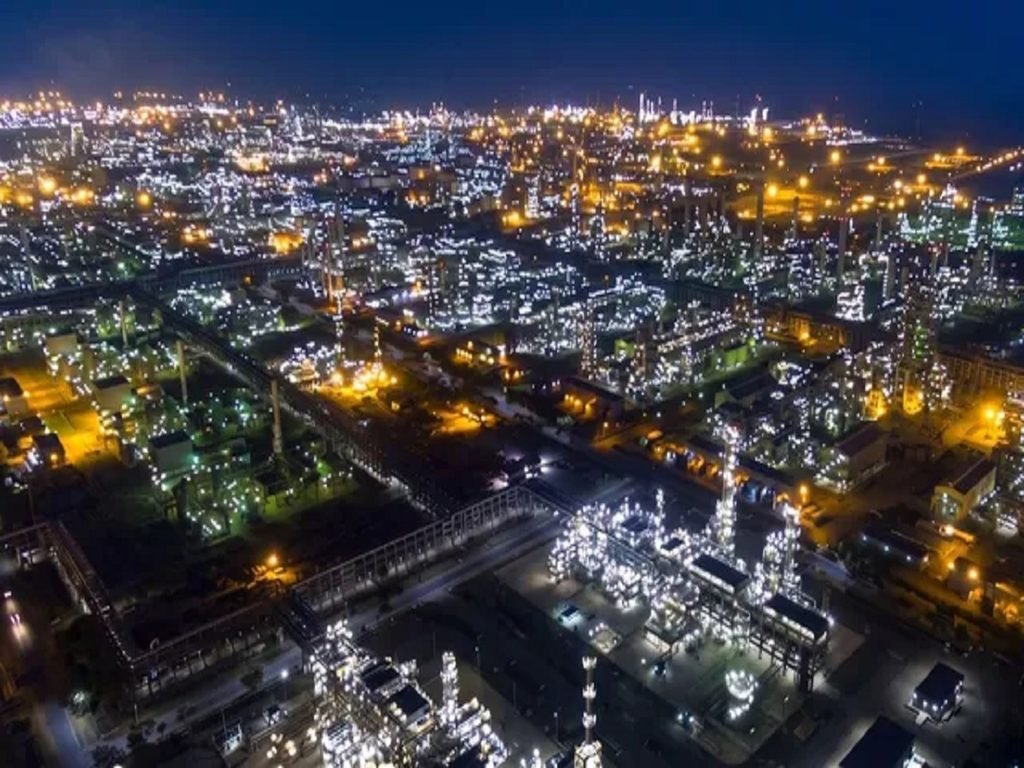
1. The World’s Largest Single-Site Refining Complex
One of the most remarkable features of the Jamnagar Oil Refinery is its enormous scale. Reliance Industries reports a crude-processing capacity of approximately 1.4 million barrels per day across its Jamnagar refining complex.
This extraordinary capacity enables the facility to process large volumes of crude oil and supply petroleum products to domestic and international markets.
Unlike a conventional refinery, Jamnagar operates as part of a vast, integrated industrial ecosystem that connects refining, petrochemical production, utilities, storage, and logistics.
Its scale demonstrates the importance of efficient industrial planning and advanced engineering in modern energy production.
2. Advanced Refining Technology and High Complexity
The Jamnagar refinery is not just about size; its technological capabilities are equally impressive.
The complex has a reported Nelson Complexity Index of 21.1, an industry measure that reflects the complexity of a refinery’s processing configuration compared with basic crude distillation.
Its sophisticated processing units help transform crude oil into a range of valuable products. These technologies allow the refinery to process different feedstocks and recover useful products from complex petroleum streams.
This combination of advanced technology and large-scale operations makes Jamnagar an important example of modern refinery engineering.
3. The Ability to Process More Than 216 Crude-Oil Grades
Another distinctive feature of Jamnagar is its crude-oil processing flexibility.
Reliance has reported processing more than 216 different crude-oil grades at the complex. Different crude oils have different characteristics, including density and sulphur content, which influence how they can be processed.
The ability to handle a wide range of crude grades gives a refinery greater flexibility when selecting feedstocks and responding to changing market conditions.
For the petroleum industry, this flexibility is an important operational advantage.
4. An Integrated Refinery and Petrochemical Hub
What happens after crude oil enters the refinery?
The crude oil is processed into different petroleum fractions, which can be further treated to produce fuels and other valuable materials. Jamnagar’s integrated industrial facilities also connect refining with petrochemical manufacturing.
Petrochemical products and feedstocks support a wide variety of industries, including:
- Plastics and packaging
- Textiles and synthetic fibres
- Chemicals and industrial materials
- Manufacturing and consumer products
This integration creates links between petroleum processing and the production of materials used in everyday life.
It is one of the reasons Jamnagar is significant beyond the traditional fuel industry.
5. Global Connectivity Through Marine Infrastructure
Large refineries need reliable systems for receiving crude oil and transporting finished products.
Jamnagar benefits from marine infrastructure and logistics facilities that support its connection to international energy markets. These facilities form an important part of the wider industrial complex.
Efficient shipping, storage, and transportation help large refineries coordinate their supply chains and move products to customers.
This combination of refining capacity and logistics is an important element of Jamnagar’s global industrial significance.
6. Why the Jamnagar Refinery Matters to India
The Jamnagar Oil Refinery represents a major achievement in India’s industrial development.
Its refining and petrochemical operations contribute to the country’s position in international petroleum markets. The complex also demonstrates the engineering, operational coordination, and infrastructure required to manage a large industrial site.
For engineering students, energy professionals, and industrial researchers, Jamnagar provides a useful example of how technology, process design, logistics, and manufacturing can operate together at scale.
At the same time, the petroleum industry faces important challenges involving emissions, energy efficiency, environmental protection, and the transition towards lower-carbon energy systems. These considerations are increasingly relevant to the future of large refining complexes worldwide.
7. Interesting Facts About Jamnagar Oil Refinery
Here are some notable facts that help explain why the Jamnagar refinery attracts worldwide attention:
- Location: Jamnagar district, Gujarat, India.
- Operator: Reliance Industries Limited.
- Reported crude-processing capacity: Approximately 1.4 million barrels per day.
- Reported Nelson Complexity Index: 21.1.
- Crude-oil flexibility: Reliance has reported processing more than 216 crude-oil grades.
- Industrial integration: Petroleum refining, petrochemical facilities, storage, utilities, and logistics.
These figures are based on company-reported information. Capacity figures and operating statistics may change over time.
Frequently Asked Questions (FAQs)
Why is Jamnagar Oil Refinery famous?
Jamnagar is famous for its enormous refining capacity, advanced processing technology, crude-oil flexibility, and integration with petrochemical manufacturing.
Where is Jamnagar Oil Refinery located?
The refinery complex is located in Jamnagar district, Gujarat, India, and is operated by Reliance Industries Limited.
What is the capacity of Jamnagar Oil Refinery?
Reliance reports a crude-processing capacity of approximately 1.4 million barrels per day for its Jamnagar refining complex.
What makes Jamnagar different from other refineries?
Its combination of large-scale refining, sophisticated processing units, the ability to handle different crude-oil grades, integrated petrochemicals, and international logistics makes it distinctive.
What products are associated with Jamnagar’s industrial complex?
The complex produces petroleum fuels and petrochemical feedstocks and products that support several manufacturing industries.