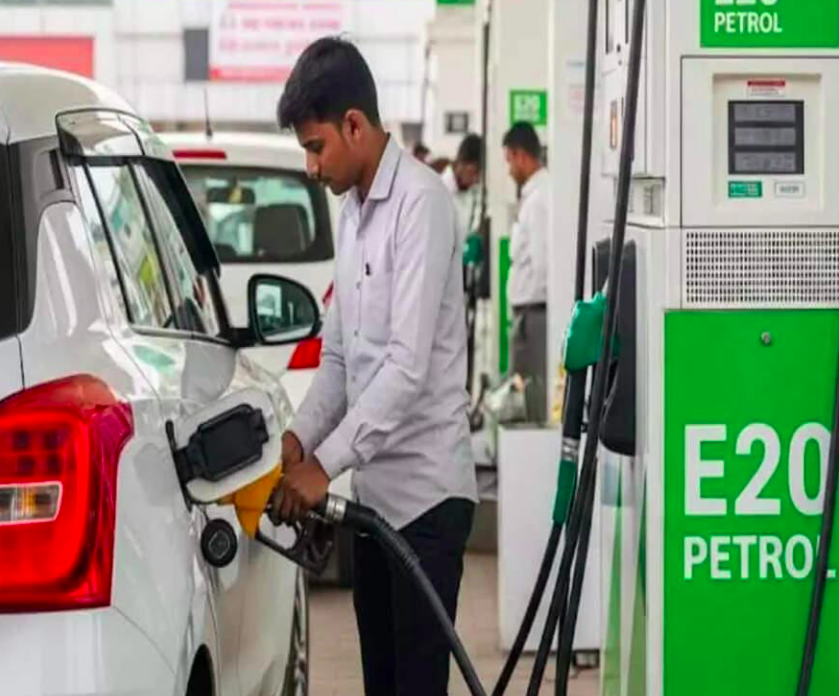
With the introduction of E20 petrol in India (20% ethanol blend), many owners are concerned about engine health.
They also worry about mileage and insurance.
Is E20 Petrol Dangerous for Vehicles?
Even so, E20 fuel is eco-friendly and reduces dependence on crude oil, yet it carries risks for older vehicles.
In this guide, we explain whether E20 petrol is harmful, its disadvantages, and how it can affect your vehicle insurance.Is E20 Petrol Dangerous for Vehicles?
🚗 What is E20 Petrol?
E20 petrol is a blend of:
- 20% Ethanol (biofuel)
- 80% Petrol
The Indian government is promoting E20 fuel to reduce carbon emissions and support renewable energy.⚠️ Is E20 Petrol Dangerous for Vehicles?
⚠️ Is E20 Petrol Dangerous for Vehicles?
E20 petrol is not dangerous for all vehicles, but it can cause issues in:
- Older cars (pre-2020 models)
- Non-E20 compliant engines
- Vehicles with rubber/plastic fuel components
- Is E20 Petrol Dangerous for Vehicles?
New vehicles (E20-compatible engines) are designed to handle this fuel safely.
❌ Disadvantages of E20 Petrol
1. Lower Mileage
Ethanol has lower energy content than petrol, which can reduce mileage by 5–10%.
2. Engine Compatibility Issues
- May cause wear and tear in older engines
- Can damage rubber seals and fuel lines
3. Reduced Engine Performance
Some users report:
- Lower pickup
- Slight engine knocking
- Reduced efficiency
4. Fuel System Corrosion
Ethanol absorbs moisture, which can lead to:
- Rust in fuel tanks
- Corrosion in engine components
5. Cold Start Problems
Vehicles may face difficulty starting in colder temperatures due to ethanol content.
🛡️ Impact of E20 Petrol on Vehicle Insurance
Many vehicle owners don’t realize that fuel choice can indirectly affect insurance claims.
🔍 Key Insurance Concerns:
1. Claim Rejection Risk
If your vehicle is not E20-compatible and damage occurs due to fuel usage:
- Insurance companies may reject claims citing improper usage.
2. Increased Maintenance Claims
Frequent engine or fuel system issues can:
- Increase claim frequency
- Lead to higher premiums in future
3. Policy Terms & Conditions
Some policies may include clauses about:
- Manufacturer-recommended fuel usage
- Negligence or improper maintenance
4. Depreciation & Resale Impact
Engine damage due to wrong fuel can:
- Reduce vehicle value
- Affect insured declared value (IDV)
✅ Who Should Use E20 Petrol?
- Owners of E20-compliant vehicles (BS6 Phase 2)
- New cars manufactured after 2023 (recommended models)
⚖️ Should You Use E20 Petrol?
👉 Use E20 if:
- Your vehicle manufacturer approves it
- You own a newer car
👉 Avoid E20 if:
- Your vehicle is old or not compatible
- You notice performance issues
📝 Final Thoughts
E20 petrol is a step towards a greener future. It may not suit every vehicle. Before switching, always check your car’s compatibility to avoid engine damage and insurance complications.
👉 Pro Tip: Always follow your vehicle manufacturer’s fuel recommendation to stay safe and avoid insurance claim issues.