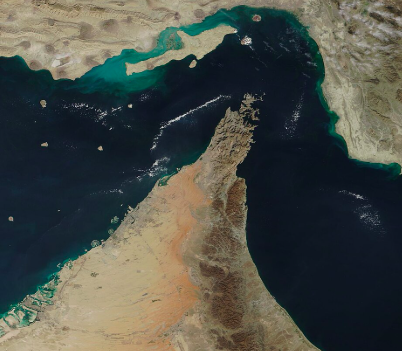
Strait of Hormuz latest news: Uncertainty over the reopening of the strategic waterway is keeping global energy markets on edge. On August 11, 2026, diplomatic efforts between the United States and Iran remained complicated by competing demands, while Pakistan and Qatar indicated that efforts to reach an agreement concerning the Strait of Hormuz were continuing.
The uncertainty is also affecting crude oil prices. Brent crude was recently trading around $87.80 per barrel, while WTI crude was around $82.22 per barrel, according to market reports on August 11.
What Is the Latest News on the Strait of Hormuz?
The main development today is continued uncertainty over when normal shipping through the Strait of Hormuz can resume.
Iran has reportedly attached several conditions to reopening the waterway, while the United States has also made demands of Tehran. These competing positions have made a quick resolution more difficult.
At the same time, mediators including Pakistan, Qatar and Oman are involved in diplomatic efforts aimed at finding a way forward. Reuters reported on August 11 that Pakistan said the U.S. and Iran were getting closer to some form of agreement, although maritime attacks and other obstacles remain.
Will the Strait of Hormuz Reopen?
The reopening of the Strait of Hormuz remains uncertain.
Iran has linked reopening the waterway to concessions from the United States, including demands related to sanctions, military activity and compensation. This has complicated efforts to restore normal shipping.
However, diplomatic efforts have not completely stopped. Qatar and Pakistan have indicated that negotiations are progressing, while Oman has also played a role in discussions over possible shipping arrangements.
Therefore, the key question for energy markets is not simply whether the Strait will reopen, but when normal and reliable tanker traffic can return.
Why Is the Strait of Hormuz So Important?
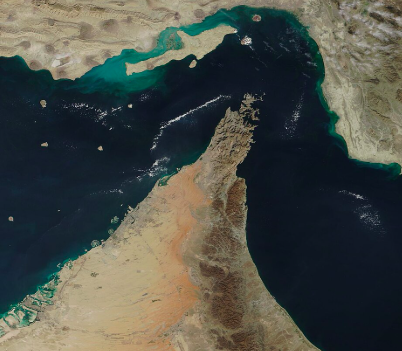
The Strait of Hormuz is one of the world’s most important energy shipping routes.
It connects the Persian Gulf with the Gulf of Oman and the Arabian Sea, making it a critical route for crude oil and other energy shipments from major Middle Eastern producers.tradecol
Any prolonged disruption can increase:
- Crude oil supply concerns
- Shipping costs
- Insurance premiums
- Energy-market volatility
- Inflationary pressure
- Risk premiums in oil prices
This is why even reports about negotiations or possible reopening can cause significant movements in crude oil prices.
Strait of Hormuz and Crude Oil Prices
The relationship between the Strait of Hormuz and crude oil prices is currently one of the biggest concerns for traders
When the possibility of reopening increases, traders may expect additional oil supplies to reach international markets. That can reduce the supply-risk premium and put downward pressure on crude prices.
Conversely, if reopening talks stall or shipping disruptions intensify, traders may price in a greater risk of supply shortages. This can push Brent and WTI crude higher.
On August 11, oil prices remained near a one-week high as uncertainty surrounding the reopening continued. Brent was reported at approximately $87.80 per barrel and WTI at approximately $82.22.
Why Did Oil Prices Rise Today?
Crude oil prices have received support from uncertainty surrounding the Strait of Hormuz and U.S.-Iran negotiations.
Reports on August 11 indicated that diplomatic talks faced obstacles, while Iran’s conditions for reopening the waterway complicated expectations of a quick resolution.
This has increased the risk premium in the oil market.
In simple terms:
More uncertainty about Hormuz → greater supply risk → higher oil-price risk premium.
However, this relationship can reverse quickly if negotiations produce a credible reopening agreement.
What Happens If the Strait of Hormuz Reopens?
A sustained reopening could have a significant impact on energy markets.
If tanker traffic returns to normal, concerns about supply availability could decline. Traders could then remove some of the geopolitical risk premium currently reflected in crude oil prices.
This could potentially put downward pressure on:
- Brent crude
- WTI crude
- Fuel prices
- Shipping costs
- Energy-sector risk premiums
The market reaction would depend on how quickly normal shipping resumes and whether traders believe the reopening is sustainable.
What Happens If the Strait of Hormuz Remains Closed?
A prolonged disruption could create the opposite effect.
If shipping remains severely restricted, concerns about oil availability could increase. This could lead to greater volatility in crude oil prices and potentially higher energy costs.
The impact would depend on the duration and severity of the disruption, available alternative routes, inventories and the ability of producers and governments to offset lost flows.
Strait of Hormuz News: What Should Oil Traders Watch?
Oil traders should closely monitor these developments:
1. U.S.-Iran negotiations
Any breakthrough could immediately affect crude oil prices.
2. Iran’s reopening conditions
Changes in Tehran’s demands could provide clues about the possibility of reopening the waterway.
3. Shipping activity
A sustained increase in tanker traffic would be an important signal that conditions are improving.
4. Brent crude price
Brent is particularly important because it represents a major international oil benchmark.
5. WTI crude price
WTI provides another important indication of how the global oil market is responding.
6. Middle East geopolitical developments
Any new attack, escalation or diplomatic breakthrough could trigger sharp price movements.
Strait of Hormuz Latest News: Impact on India
India is particularly sensitive to global crude oil prices because it imports a large portion of its crude oil requirements.
Therefore, prolonged disruption around the Strait of Hormuz could increase concerns about:
- India’s crude import costs
- Petrol and diesel prices
- Inflation
- The rupee
- The current account
- Transportation costs
However, the actual impact would depend on the duration of the disruption, global oil prices, alternative supply routes and government policies.
Strait of Hormuz Outlook
The short-term outlook remains highly uncertain.
The market is balancing two opposing forces:
Bullish for oil:
Continued uncertainty over reopening, geopolitical tensions and shipping risks.
Bearish for oil:
A potential diplomatic breakthrough and eventual restoration of normal shipping.
For crude oil traders, the most important signal will be whether diplomatic negotiations translate into safe, sustained and commercially reliable shipping through the Strait of Hormuz.
Conclusion
The Strait of Hormuz remains one of the most important factors influencing crude oil prices in August 2026.
As of August 11, negotiations surrounding the waterway remain uncertain. Iran has set conditions for reopening, while the United States has made its own demands. At the same time, regional mediators continue efforts to reach an agreement.
For oil markets, the next major catalyst will be any credible announcement regarding reopening the Strait of Hormuz and restoring normal tanker traffic.
Until then, traders should expect continued volatility in Brent and WTI crude prices as markets react to every major geopolitical development.