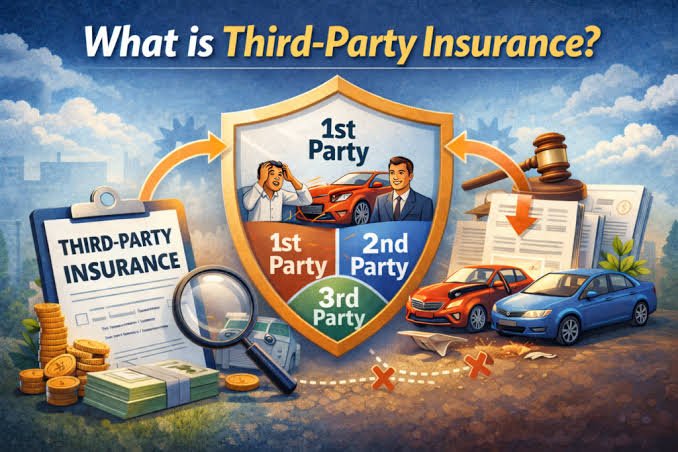
Learn about third-party vehicle insurance, its benefits, coverage, legal requirements, exclusions, and why every vehicle owner should have it.
Introduction
Owning a vehicle comes with responsibilities, and one of the most important is having valid insurance. In India, third-party vehicle insurance is mandatory under the Motor Vehicles Act. It protects you from financial liabilities if your vehicle causes injury, death, or property damage to another person.
Many vehicle owners assume that third-party insurance offers complete protection. However, it covers only liabilities toward third parties and does not pay for damage to your own vehicle. Understanding how this policy works can help you stay legally compliant and make informed decisions about your insurance needs.
In this article, we’ll explain what third-party vehicle insurance is, its benefits, what it covers, its limitations, and why it is essential for every vehicle owner.
What Is Third-Party Vehicle Insurance?
Third-party vehicle insurance is the most basic type of motor insurance. It provides financial protection if your vehicle causes damage to another person’s property or results in bodily injury or death.
This type of insurance is legally required for all vehicles on Indian roads.
Why Is Third-Party Insurance Mandatory?
The Government of India has made third-party insurance compulsory to ensure that victims of road accidents receive financial compensation.Third-Party Vehicle Insurance: Benefits, Coverage
Without valid insurance, vehicle owners may face:
- Traffic fines
- Legal penalties
- Vehicle seizure in certain situations
- Financial liability for accident claims
Shares may be benefitted are:
Benefits of Third-Party Vehicle Insurance
1. Legal Compliance
Driving with valid third-party insurance keeps your vehicle compliant with Indian traffic laws.
2. Financial Protection
If your vehicle causes an accident, the insurer pays compensation for eligible third-party claims instead of you bearing the full financial burden.
3. Covers Bodily Injury or Death
The policy provides compensation for injuries or fatalities caused to another person in an accident involving your insured vehicle.
4. Covers Third-Party Property Damage
If your vehicle damages another person’s property, the policy provides compensation up to the applicable policy limits.
5. Affordable Premium
Third-party insurance generally costs less than comprehensive motor insurance, making it an economical option for meeting the legal requirement.
What Does Third-Party Insurance Cover?
Typically, third-party insurance covers:
- Injury to a third person
- Death of a third person
- Damage to third-party property (subject to policy terms)
- Legal liabilities arising from accidents
- tradecol
What Is Not Covered?
Third-party insurance generally does not cover:
- Damage to your own vehicle
- Theft of your vehicle
- Natural disasters affecting your vehicle
- Fire damage to your own vehicle
- Engine damage
- Personal belongings inside the vehicle
For these protections, a comprehensive motor insurance policy is generally required.
Third-Party Insurance vs Comprehensive Insurance
| Feature | Third-Party Insurance | Comprehensive Insurance |
|---|---|---|
| Legally Mandatory | ✅ Yes | Includes third-party cover |
| Covers Own Vehicle | ❌ No | ✅ Yes |
| Third-Party Liability | ✅ Yes | ✅ Yes |
| Theft Protection | ❌ No | ✅ Yes |
| Natural Disaster Cover | ❌ No | ✅ Yes |
Who Should Buy Third-Party Insurance?
Third-party insurance is suitable for:
- New vehicle owners meeting legal requirements
- Owners of older vehicles with lower market value
- Budget-conscious drivers seeking the minimum legally required cover
However, if you want protection for your own vehicle as well, consider comprehensive insurance.
Third-Party Vehicle Insurance: Benefits, Coverage
Tips Before Buying Third-Party Insurance
- Compare premiums and policy features.
- Choose a trusted insurer.
- Read the policy exclusions carefully.
- Renew your policy before it expires.
- Keep a digital and printed copy of your insurance certificate.
Frequently Asked Questions
Is third-party insurance mandatory in India?
Yes. Every motor vehicle driven on public roads must have at least a valid third-party insurance policy.
Does third-party insurance cover my own vehicle?
No. It covers only liabilities to third parties.
Can I upgrade to comprehensive insurance later?
Yes. Many insurers allow you to switch to a comprehensive policy at renewal or when purchasing a new policy.
What happens if I drive without third-party insurance?
Driving without valid third-party insurance can lead to fines, legal action, and other penalties under applicable motor vehicle laws.
Conclusion
Third-party vehicle insurance is more than just a legal requirement—it provides important financial protection against liabilities arising from road accidents. While it does not cover damage to your own vehicle, it ensures that compensation for third-party injuries or property damage is handled according to the policy terms. Before purchasing a policy, compare options, understand the coverage, and choose a plan that matches your needs and budget.